
The platform powering flexible grid connections and grid intelligence
Camus unifies grid data, physics models, AI, and purpose-built applications into a single platform, powering flexible grid connections and grid intelligence at scale.
A unified data model for every grid signal
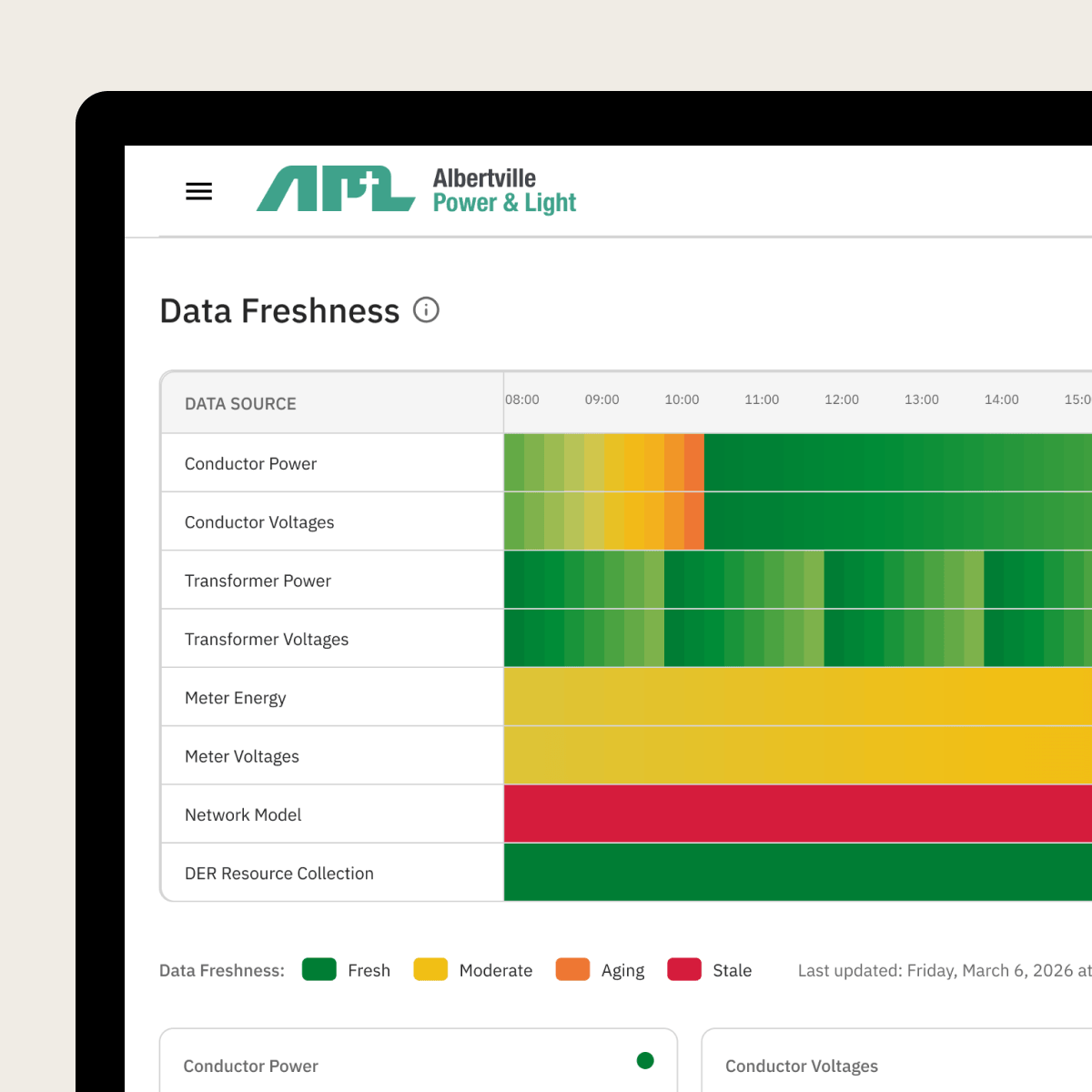
At the core of the Camus platform is a unified data model that stitches together every major grid data source. Camus integrates SCADA data, GIS assets, transmission and distribution network models, system switch state, EMS and ADMS data, AMI, DER telemetry, and more into one consistent system model.
Our platform cleans, normalizes, and reconciles millions of data points so planners and operators work from the same source of truth. No silos, no stitching, no guesswork.
Make quick sense of the grid with AI + physics models
Camus uses AI alongside physics-based grid models to create a more accurate and complete view of the grid: correcting data issues, understanding topology, and giving planners and operators earlier insight into system conditions.
Physics-based grid modeling
Physics-based models run AC power flow analyses, with AI checking the inputs to ensure accuracy.
ML-based forecasting
Machine learning uses live grid data to forecast system conditions 48 hours ahead for power flow simulations.

Purpose-built applications for flexible grid orchestration
The Camus platform powers two core applications. FlexConnect accelerates interconnections and coordinates flexible resources in real time. ODMS (Operational Data Management System) provides utilities with a unified view of the distribution grid built from SCADA, GIS, AMI, and DER data.
Accelerate grid connections through flexibility
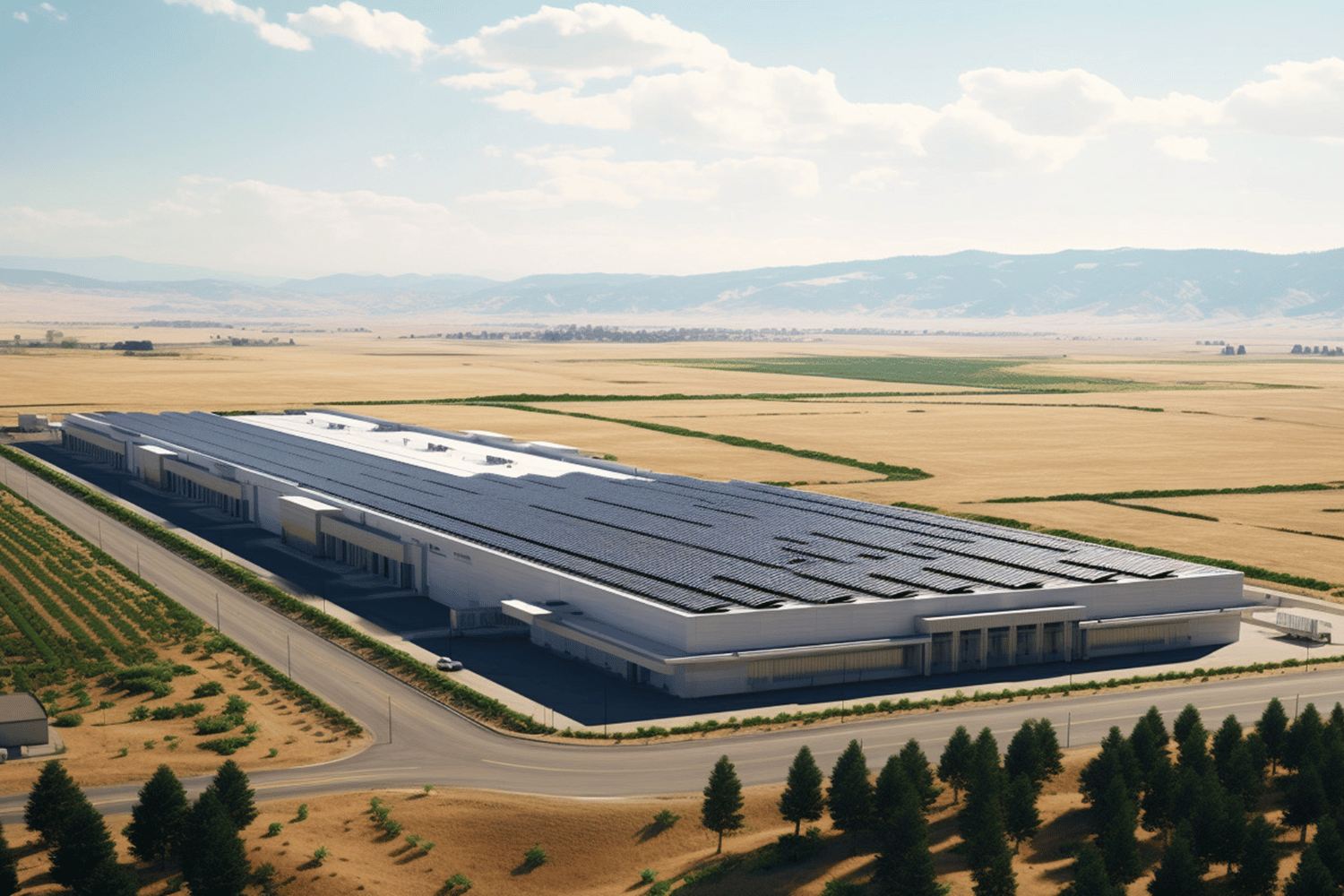
Identify where a flexible grid connection delivers the fastest path to power for new large loads and generation.

Gain a unified view of your grid
Access industry-leading analytics powered by a unified model built from SCADA, GIS, AMI, DER, and other grid data sources.
Maximum grid protection requires Zero Trust
Camus applies a Zero Trust architecture across data ingestion, analytics, and real-time signaling so every interaction is authenticated, encrypted, and verified.
Security engineered for critical infrastructure
Camus verifies every access request, encrypts data in transit and at rest, and stores all customer data in dedicated secure environments. OAuth authentication, MFA, role-based access, audit logging, and continuous monitoring protect the platform at every layer.

Frequently Asked Questions

Camus is built as a single platform with a shared data foundation.
ODMS integrates and standardizes utility data, including network models, transmission and distribution SCADA, GIS, DER telemetry and AMI, into a unified view of the grid. FlexConnect uses that same data and composite grid model to run flexible interconnection studies, forecast available capacity, and set operating limits for flexible connections.
Because both applications operate on the same underlying system, insights from planning studies translate directly into real-time operations. This ensures that flexible connections perform as designed, with utilities and flexibly-connected sites working from a shared understanding of grid conditions.
Traditional planning tools and DERMS solve different parts of the problem, but neither connects planning decisions to real-world operations.
Planning tools are typically static and scenario-based. They evaluate whether a connection is feasible under a limited set of conditions but don’t account for how grid capacity changes hour by hour—or how those assumptions will be maintained in operations.
DERMS platforms focus on dispatching distributed energy resources in real time, but generally don’t perform the detailed, time-series planning analysis required to approve new large load interconnections.
Camus brings these together in a single system. We use time-series power flow analysis to evaluate grid constraints across thousands of hours, then translate those results into operating limits that are enforced in day-ahead and real-time operations. This ensures that flexible connections are not just feasible in a study, but reliable in practice.
Camus uses the same grid model, data, and analytical approach for both planning and operations.
In planning, we run time-series power flow studies using historical transmission and distribution SCADA data, combined with updates to reflect the expected future state of the grid—such as new large loads, generation, and network changes. This provides a forward-looking view of when and where constraints are likely to occur, and defines the operating limits required for a flexible connection.
In operations, those same limits are updated using short-term forecasts (typically 24–72 hours ahead) based on real-time grid conditions. These limits are then issued to the data center as day-ahead and real-time signals, allowing the site to adjust its behavior and stay within grid constraints as conditions change.
Because planning and operations are connected through a shared system, utilities can be confident that the assumptions used to approve a connection will hold up in practice.
Operating limits are calculated using physics-based power flow analysis of the grid.
Camus evaluates how power flows through the network to identify when equipment may exceed thermal or voltage limits, including under contingency conditions. These analyses are run across 8,760 hours of the year to determine how much load can be safely served at each point on the grid, hour by hour.
Those limits are then translated into clear operating signals for connected sites. In operations, Camus continuously updates these limits using forecasts and real-time data, and communicates them to the data center through day-ahead and real-time signals.
Sites respond by adjusting on-site resources or load as needed to stay within the defined limits. Control is executed locally at the site, with built-in fallback and fail-safe procedures to ensure safe operation even in the event of a communications loss.
Camus integrates the core data sources utilities already use to plan and operate the grid.
For flexible interconnections, FlexConnect primarily relies on the network model, loading data from transmission and distribution SCADA, and GIS. To support broader distribution-level reliability workflows, ODMS can also incorporate DER telemetry and AMI data.
We integrate with existing utility systems using APIs where available and establish secure data pipelines in coordination with utility IT and OT teams. This allows utilities to leverage their existing infrastructure without replacing core systems.
All data is ingested and stored in its original form before being processed by Camus’ AI-powered data validation, transformation, and inference tools. These systems clean and standardize the data into a consistent grid model that supports both planning and real-time operations.
Need more details?
Our team can walk through the technical architecture and explain how we tackle orchestration challenges.
See our platform in action
Explore how Camus powers flexible grid connections and modern grid operations.
